




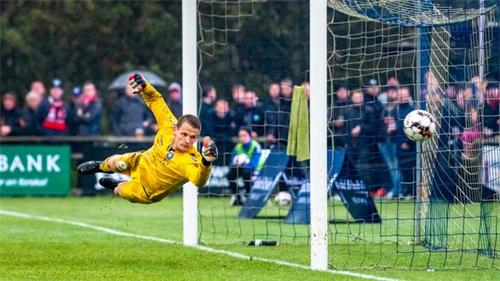
Not long ago, a goalkeeper's job was simple: stay in the penalty area, stop shots, receive crosses, and distribute the ball as quickly as possible. Today, that image seems outdated. Modern goalkeepers have become an integral part of the offense—not just defensive specialists, but active participants in ball possession and playmaking.
Historically, the goalkeeper's domain ended in the penalty area. The goalkeeper's position has changed with evolving tactics, new football philosophies, and key rule adjustments that have forever altered the goalkeeper's role. In the early 1990s, with the implementation of FIFA's backpass rule, goalkeepers were no longer able to receive deliberate backpasses. This rule change forced them to develop proficiency with their feet and react as quickly as a midfielder under pressure.
From that point on, the "sweeper goalkeeper" emerged—a type of goalkeeper whose job it was to move forward, intercept balls behind the defense, and even initiate counterattacks. In modern football, ball distribution, decision-making, and tactical awareness are just as important as reactive saves.
Key Dimensions of a Goalkeeper Involved in Attack
Ball at Foot
Today's goalkeepers no longer simply play the ball forward; they are now able to comfortably receive the ball under pressure, find open teammates, and build momentum from deep. They are often the first passers in their team's attacking sequence.
Some of the world's top goalkeepers boast passing accuracy comparable to that of midfielders. Manuel Neuer, Alisson Becker, and Ederson Moraes are prime examples—their pass success rates often exceed 85%. This demonstrates that a goalkeeper's footwork and composure have become tactical weapons.
Modern goalkeepers must not only train in shot blocking but also in close possession, learning to switch plays, fake passes, and read emergency triggers.
Initiating the Attack
A defining characteristic of the new-age goalkeeper is their ability to directly initiate the attack. Whether it's a precise long ball over the top, a swift lob into space down the wing, or a pinpoint pass through the defense, goalkeepers now dictate the tempo and direction of a game.
Manchester City's Ederson is a master of this art. His pinpoint long balls often bypass entire defensive lines, allowing City to convert defensive pressure into scoring opportunities in seconds. Essentially, this goalkeeper has become a deep-lying playmaker—a quarterback with gloves.
Clearing and Supporting the High Line
The rise of the "sweeper goalkeeper" echoes another trend: the high defensive line. Teams that press high require a goalkeeper capable of covering the vast spaces behind the defenders. When the opponent plays a long ball, these goalkeepers can sprint to intercept, clear the ball, or even dribble past oncoming forwards before resuming play.
This tactic compresses the field, allowing attackers to maintain pressure and position themselves higher. A confident, quick, and alert goalkeeper makes the entire team's attack more aggressive and compact.
Strategic Roles in Set-Pieces and Phases of Play
Goalkeepers are also becoming tactical leaders, controlling the tempo of the attack during set-pieces and transitions. Their communication keeps the defense organized, and their positioning dictates how the team adjusts after winning or losing possession.
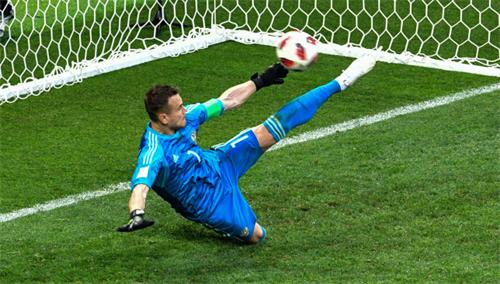
During attacking corners or late in the game, we even see goalkeepers venturing forward to increase their aerial threat or disrupt defensive marking schemes—another small but noticeable sign of the expanding scope of their responsibilities.
Reasons for Change
Tactical Innovation:
The rise of possession-based and pressing tactics means teams can no longer afford goalkeepers simply kicking the ball away. Now, every player, including the goalkeeper, is involved in the positional battle.
Rule Changes:
The backpass rule has forced goalkeepers to adapt, with passing now as important as reflex saves. Without this evolution, the short-passing style of modern football would be difficult to implement.
Advances in Coaching and Training:
Goalkeeper training has evolved from isolated reaction exercises to comprehensive, full-team simulations. Goalkeepers train alongside outfield players, mastering ball control, first-touch play, and decision-making under pressure.
Analytics and Data:
Clubs now track various goalkeeper metrics, such as pass completion, progressive passes, involvement in attacking sequences, and even "xG chain participation"—the frequency of goalkeepers initiating shots.
Role Models and Influence:
The influence of pioneers like Manuel Neuer, Marc-André ter Stegen, and Ederson has reshaped how coaches assess and evaluate goalkeepers. Their abilities, nearly rivaling those of outfield players, have sparked a global shift in expectations of goalkeepers.
Impact on Teams, Coaches, and Recruitment
The evolution of the modern goalkeeper has had a ripple effect on every aspect of the sport.
Recruiting Philosophy: Clubs now prioritize goalkeepers' technical ability and tactical acumen. In a possession-based system, a goalkeeper who can't handle pressure is a liability.
Training Methods: Goalkeeping coaches are now not only shot specialists but also tactical masters. They design training programs to help goalkeepers integrate pressing drills, playmaking, and transitions.
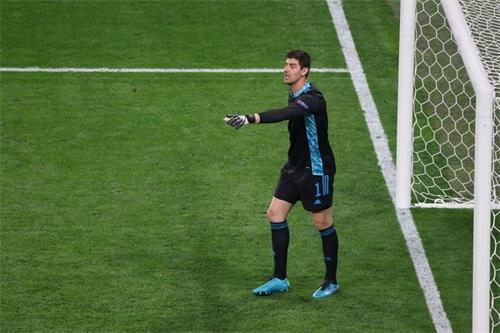
Tactical Systems: Coaches must adjust defensive and pressing strategies based on the goalkeeper's comfort level with the ball. A team's structure, squad depth, and tempo often hinge on the goalkeeper's ability.
Youth Development: Young goalkeepers now receive training from a young age, learning to use their feet, pass under pressure, and understand spatial awareness—skills once reserved for midfielders.
What's next for the position?
As football continues to evolve tactically and technically, the goalkeeper's role will evolve with it.
Increased Integration into Possession Play: Goalkeepers of the future may spend significant time outside their area, forming makeshift back threes or acting as a pivot in midfield transitions.
Increased Statistical Impact: Advanced statistics can evaluate goalkeepers based on their offensive contributions—such as passes that break the defense or initiate scoring sequences.
Innovative Formations: Tactical systems may one day completely blur the lines between goalkeepers and defenders, especially as regulations and technology like semi-automated offside and goal-line monitoring evolve.
Artificial Intelligence and Training Techniques: Virtual reality simulations and performance analysis will improve goalkeeper training for high-pressure decision-making, further integrating physical skills with cognitive intelligence.
Why Fans Love This Change?
From a fan's perspective, modern goalkeepers have added unpredictability and flair to the game. A decade ago, fans held their breath when a goalkeeper went out of bounds. Today, they cheer. The modern goalkeeper has become part of the game—dribbling, feinting, or delivering a pass that pierces the defense.
It has also changed the way we analyze the game. Commentators now discuss goalkeepers' passing lanes, their body posture when in possession, and their decision-making during the build-up phase. The goalkeeper's role has become as tactically complex and as engaging as that of any midfielder.
Most importantly, it reflects the broader beauty of football: every position is evolving, every player is becoming more complete, and creativity is valued across the field.
The evolution of goalkeeping is one of the most fascinating tactical changes in football history. Originally a passive, single-minded defensive position, it has become one of the most dynamic and influential roles on the field.
The modern goalkeeper is both defender and creator—they initiate attacks, break down defenses, and serve as a tactical anchor. Their intelligence, confidence, and technical breadth have elevated them from defenders of the backline to fully-fledged outfield contributors.
References:
https://theanalyst.com/articles/gianluigi-donnarumma-man-city-ederson-premier-league-goalkeeper-stats
https://totalfootballanalysis.com/article/tactical-analysis-the-importance-of-modern-goalkeepers-tactical-analysis-tactics
https://www.premierleague.com/en/news/4293708

How Mid-Season Breaks and Schedule Congestion Affect Player Well-Being?