




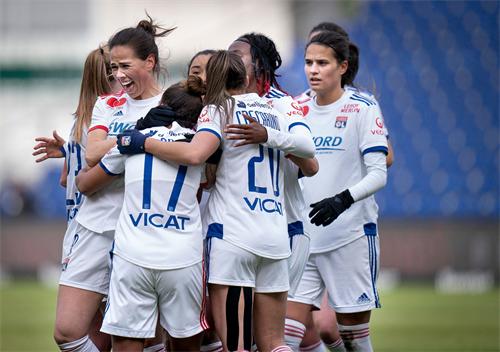
(Image from CNN, the copyright belongs to the original author)
Women's football is experiencing a surge in growth, increasing visibility, and professionalization. While many fans instinctively look to Europe's top leagues, some of the most dynamic and intriguing developments are occurring outside of established leagues in countries like England, France, Germany, and Spain. From pioneering emerging professional leagues in Asia, to the explosive growth of grassroots sports in Latin America, to emerging national competitions in Africa, some leagues are rapidly becoming global forces in their own right.
Asia: Japan's WE League—A Pioneering Fully Professional Model
In a region often underrepresented in global coverage of women's football clubs, Japan's WE League (Women's Empowerment League) stands out for two key reasons: its establishment as a fully professional organization and its explicit commitment to gender equality and social purpose.
Announced in 2020 and set to open in the fall of 2021, the WE League is Japan's first fully professional women's football league. Its vision is to empower individuals and promote diversity through women's football and sport in general.
At its inception, clubs were required to meet requirements beyond the pitch, such as ensuring that at least half of each club's staff and one executive officer were women. The current format involves a select number of teams playing in a double round-robin format, with home and away matches. Notably, the league actively recruits international players and offers subsidies to encourage the signing of top foreign players.
The WE League provides a blueprint for modern women's leagues outside of Europe: fully professional contracts, a commitment to international influence, and a commitment to social impact. For fans worldwide, this means exposure to diverse playing styles, unique cultures, and a fresh club image. It also demonstrates that women's football in Asia is no longer confined to domestic competition but is eyeing global competitiveness.
Latin America: Brazil's Campeonato Brasileiro de Futebol Feminino Série A1 and Mexico's Liga MX Femenil
Brazil
The Brazilian Women's Football League A1 is the top women's club league in Brazil. It was officially established in 2013 and began operations in its current format in 2016.
The 2025 competition will feature 16 teams, with major clubs such as Corinthians continuing to dominate and win multiple titles. Brazilian women's club football relies on the national team's popularity and the country's rich football culture.
Brazil possesses a strong footballing DNA and fan culture that could propel women's football clubs into the mainstream. With packed stadiums, growing media attention, and investment from major clubs like Corinthians and São Paulo, Brazil has the potential to become not only a talent pool but also a highly attractive football destination.

(Image from BBC, the copyright belongs to the original author)
Mexico
The Mexican Women's Football League (Liga MX Femenil) was officially launched in 2017 with the full support of the Mexican Football Federation and the Liga MX clubs. It has become one of the fastest-growing women's leagues in the Americas, with fierce club competition, large attendances, and high fan engagement.
It is a prime example of how women's football can rapidly expand when combined with a strong men's club infrastructure. Due to the close proximity of the United States and Mexico, the Liga MX has the potential to attract both domestic and international broadcast audiences, particularly in Hispanic markets.
Africa: The Rise of Emerging Leagues and Continental Competition
Women's football in Africa is still relatively nascent in terms of professional league infrastructure—but that's precisely what makes the region so intriguing. The potential for "first-mover" growth is enormous.
For example, the Ghana Women's Premier League, established in 2012, is the highest level of women's football in Ghana. Other countries, such as Zambia, have newly established national top leagues, merging regional leagues into national leagues.
Why You Should Care and How to Get Involved?
Here are some reasons to follow these growing leagues and how you, as a fan (or a female sports writer), can meaningfully participate:
Fresh narratives—Club stories, cultural contexts, and diverse business ecosystems provide rich fodder for storytelling. For example: How does women's football tie into broader gender equality goals in Japan? Or how can a women's league, branded after a men's club, attract young female fans in Mexico?
New talent and transfer dynamics—Players from Latin America or Africa could potentially rise to global prominence through these leagues. Data platforms are catching up, providing more data on Brazil's A1 league or emerging African leagues.
Transforming the fan experience—Attendance, broadcast innovation, and club marketing continue to grow. For example, Latin American leagues demonstrate significant audience reach and vibrant communities.
Investment Opportunities and Business Stories – The commercial aspects of women's football – sponsorships, media rights, and club ownership structures – are becoming increasingly compelling. The article demonstrates that elite women's football is increasingly recognized as a significant commercial asset.
Global Connectivity – Many leagues broadcast matches internationally; fans can watch and interact with clubs around the world, breaking the European "monopoly."
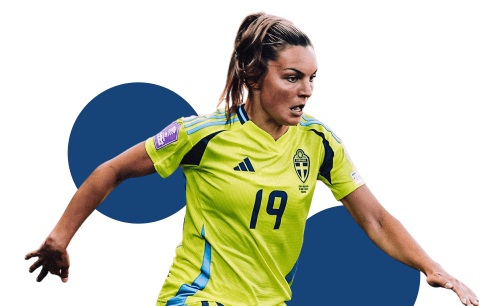
(Image from The New York Times, the copyright belongs to the original author)
What to Watch in the Next 2-3 Years?
Here are some key observations about women's football outside of Europe that will help indicate whether these leagues are truly global powerhouses:
Successful Talent Export/Import: Are clubs in these leagues exporting players to Europe or importing stars to boost their leagues' profile?
Broadcast Deals and International Channels: Can networks or streaming platforms secure global broadcast rights for these leagues? Can they effectively promote these leagues?
Growth in Attendance and Fan Culture: Are stadiums regularly sold out? Are clubs building local fan bases? Is the women's game considered a major event?
Performance in Continental Club Competitions: As continental tournaments become increasingly important, how do clubs in these leagues perform compared to other clubs?
Commercial Revenue and Professional Standards: Are leagues reporting increased revenue, improved player contracts, and better infrastructure (training, medical, broadcasting)?
Narrative and Storytelling: Are these leagues creating strong brands, memorable rivalries, and club images that resonate globally?
While Europe remains at the heart of women's club football's development, the real breakthroughs are happening globally—and some of the most exciting developments are happening outside of Europe. Japan's WE League offers a pioneering model of professionalism and social mission. Brazil and Mexico demonstrate how Latin America can leverage fan culture, media attention, and a strong club tradition to expand women's club football. Emerging leagues in Africa hint at untapped potential and future growth.
If you're a fan of the sport, or a writer, blogger, or content creator exploring women's football, now is the perfect time to expand your horizons. Look beyond the familiar European leagues and discover the stories, clubs, and players in these emerging regions. Because the "next big leagues" for women's football aren't just around the corner—they're already here.
References:
https://www.japantimes.co.jp/sports/weleague/
https://www.cbf.com.br/futebol-brasileiro/feminino

How Mid-Season Breaks and Schedule Congestion Affect Player Well-Being?