





In the evolving sports landscape, fan engagement has transcended traditional boundaries. The modern sports fan experience is no longer confined to stadiums and merchandise stands but is being redefined through innovative digital platforms, personalized content, and immersive technologies. Clubs are increasingly adopting strategies to not only foster fan loyalty but also generate new revenue streams.
The digital age has ushered in a paradigm shift in how sports clubs engage with their supporters. Traditional methods of engagement, such as in-person events and physical merchandise, are being supplemented, and in some cases even replaced, by digital initiatives that provide fans with a more personalized and interactive experience.
Subscription Tiers: Providing Value Through Exclusive Content
The subscription model has become a cornerstone of fan monetization strategies. Platforms like TopFan have pioneered this approach, providing sports teams with tools to create tiered membership systems. These systems grant fans access to exclusive content, such as behind-the-scenes footage, live Q&A sessions with players, and advance ticket purchases. By offering varying levels of access, clubs can cater to the needs of diverse fan bases, from casual to dedicated fans.
For example, a basic subscription might include access to standard game highlights, while a premium subscription offers in-depth analysis, player interviews, and interactive fan forums. This tiered subscription approach not only enhances the fan experience but also provides a stable revenue stream for the club.
NFTs: Unlocking Unique Digital Experiences
Non-fungible tokens (NFTs) have become a revolutionary tool in the sports industry, enabling clubs to offer unique digital assets with intrinsic value to fans. These tokens can represent anything from digital collectibles like limited-edition player cards to exclusive passes to virtual events.
Platforms like Sorare have capitalized on this trend, allowing fans to collect and trade digital player cards tied to real-world performance metrics. Each card is a unique NFT, ensuring its scarcity and value. Similarly, the NBA's partnership with VeVe has spawned digital collectibles themed around iconic moments and players, offering fans a new way to engage with their favorite teams.
Beyond collectibles, NFTs can also serve as access to exclusive experiences. For example, owning a specific NFT can grant fans VIP access to live training sessions or virtual meet-and-greets with players. Integrating NFTs into fan engagement strategies not only enhances the fan experience but also opens up new revenue streams.

Loyalty Systems: Building Long-Term Fan Relationships
Loyalty programs have long been a crucial component of customer retention strategies, and sports clubs are now leveraging advanced technology to enhance these programs. Traditional loyalty systems typically rely on a points-based system, where fans accumulate points through purchases or attendance, which can then be redeemed for rewards. However, these systems are evolving to offer more personalized and engaging experiences.
Blockchain technology plays a key role in this transformation. By leveraging blockchain, clubs can create transparent and secure loyalty programs that provide fans with verifiable ownership of rewards. For example, fans can earn blockchain-based tokens by watching matches or engaging with content. These tokens can be redeemed for exclusive merchandise, tickets, or even voting rights in club decisions.
Furthermore, gamification elements are being incorporated into loyalty programs to boost engagement. Fans can participate in challenges, quizzes, or prediction games to win rewards, fostering a sense of community and competition. These gamified experiences not only make the fan journey more enjoyable but also encourage continued engagement with the club's digital platforms.
The Synergy of Subscriptions, NFTs, and Loyalty Programs
The combination of subscription tiers, NFTs, and loyalty systems creates a comprehensive ecosystem that boosts fan engagement and drives monetization. Here's how these elements work together:
Integrated Access: Fans who subscribe to premium memberships receive exclusive NFTs that unlock special content or experiences. This integrated feature adds tangible value to subscriptions and incentivizes higher-tier memberships.
Enhanced Loyalty: Blockchain-based loyalty tokens can be used to reward fans for their engagement across platforms. These tokens can be redeemed for NFTs, exclusive content, and even influence club decisions, deepening fans' connections with their teams.
Data-Driven Personalization: By analyzing fan behavior and preferences, clubs can tailor their offerings to each fan's needs. For example, if a fan frequently engages with content about a specific player, they might receive a personalized NFT or exclusive access to content related to that player.
The Future of Fan Monetization
The monetization of fandom is no longer about simply selling tickets, merchandise, or TV rights. It’s evolving into a sophisticated ecosystem that blends digital innovation, behavioral data, real-world experiences, and participatory economics. As sports clubs adapt to a generation of fans who expect personalized, interactive, and immersive experiences, the concept of a “premium fan experience” is becoming a central growth driver. Here’s how the future of fan monetization is shaping up — and why it’s redefining the relationship between clubs and their supporters.
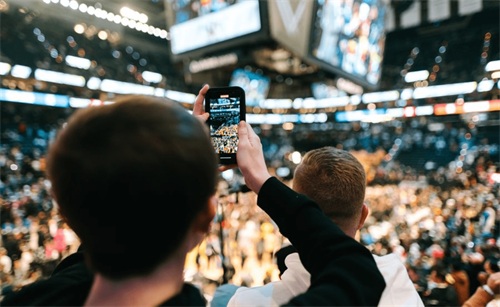
(Image from Shockoe, the copyright belongs to the original author)
1. Immersive Technologies: AR, VR, and Mixed Reality
The next frontier of sports engagement lies in immersion. Beyond the standard streaming experience, fans are beginning to enter virtual environments that bring the game to life in entirely new ways. Augmented reality (AR) overlays might soon let fans view real-time stats, player biometrics, or tactical insights while watching a live game. Meanwhile, virtual reality (VR) allows fans to step “inside” the match — sitting courtside from their living room or viewing the field through a player’s perspective.
For clubs, these immersive technologies are more than just engagement tools — they’re monetization platforms. Imagine a tiered subscription model where premium members can access virtual locker room tours, 3D replay experiences, or interactive training sessions. As 5G connectivity becomes standard, delivering these experiences at high quality and scale will be easier than ever, opening up a global market of virtual spectators.
2. Web3, Tokens, and Ownership Models
One of the most transformative ideas in sports monetization is the rise of “ownership fandom.” Blockchain technology and Web3 tools are enabling clubs to give fans a sense of true participation through digital assets such as fan tokens, NFTs, and proof-of-attendance badges.
These digital items can do much more than act as collectibles. They can function as access passes, granting holders early ticket access, voting rights on club matters, or invitations to exclusive virtual events. In some cases, tokens can even appreciate in value based on the holder’s engagement level or the team’s success, turning fandom into a more interactive, rewarding experience.
This marks a shift from the traditional one-way commercial model (“fans buy”) to a participatory economy (“fans engage, earn, and co-own”). Clubs that successfully integrate digital ownership will find new streams of recurring revenue while deepening emotional loyalty from their most committed supporters.
3. Subscription and Tiered Experiences
Subscription models in sports are becoming far more dynamic and personalized. The old one-size-fits-all season pass is evolving into a multi-tiered system that meets fans where they are — geographically, financially, and emotionally.
Future models will offer modular “micro-subscriptions” that focus on specific aspects of the fan experience: behind-the-scenes access, player insights, tactical breakdowns, or youth academy updates. Fans could subscribe to their favorite player’s content feed, join a community tier for fantasy game integration, or gain real-time analytics during live games.
This tiered approach allows clubs to transform passive viewing into active participation. Fans choose how deep they want to go — and pay accordingly. It’s Netflix meets Spotify meets the stadium — personalized, interactive, and scalable.
4. Unified Loyalty and Rewards Ecosystems
Traditional loyalty systems — where fans earn points from ticket purchases or merchandise — are being reimagined for the digital era. The future lies in connected ecosystems that reward engagement across all platforms.
Imagine a fan earning loyalty credits not just for attending games but also for sharing highlights, joining virtual watch parties, or participating in prediction challenges. These digital rewards can be redeemed for exclusive NFTs, discounts, limited-edition apparel, or even once-in-a-lifetime experiences like meeting players or joining pre-match huddles.
Such loyalty programs will be interconnected, allowing fans to accumulate points across multiple channels — streaming platforms, social media, in-stadium purchases, and gaming. For clubs, this means more consistent engagement and higher lifetime fan value. For fans, it means tangible recognition for their ongoing support.
5. Real-Time Data and Personalization
The future of fan monetization will be powered by data — and lots of it. With digital touchpoints expanding across apps, wearables, and virtual experiences, clubs can now understand how individual fans interact with the sport.
Using artificial intelligence, they can personalize offers, recommend content, and create bespoke fan journeys. A data-driven platform might, for instance, notice that a fan frequently replays defensive highlights — and offer them a “Tactical Insights” premium subscription. Another fan who regularly shares player interviews might be offered exclusive backstage content or access to community Q&A sessions.
Personalization transforms fandom from a mass experience into a unique one. Each fan feels seen, valued, and catered to — and that emotional connection is a monetizable asset.
6. Smart Ticketing and Secondary Markets
The ticketing landscape is also undergoing a technological revolution. Blockchain and smart contracts are being introduced to make ticket sales and resales more secure, transparent, and profitable.
Future tickets won’t just be digital codes — they’ll be intelligent assets. A single ticket could unlock multiple layers of experience: digital collectibles tied to that specific match, in-seat AR interactions, or replay access after the game. Smart contracts could ensure that when a ticket is resold, the club still earns a small royalty, creating ongoing revenue from secondary markets while preventing scalping and fraud.
Tickets will no longer be disposable — they’ll be collectibles, memories, and digital keys that connect fans to the club’s ongoing story.
Monetizing fans through subscription tiers, NFTs, and loyalty systems represents a significant shift in how sports clubs engage with supporters. By adopting these digital strategies, clubs can enhance the fan experience, build long-term relationships, and generate new revenue streams. As technology continues to advance, the possibilities for fan engagement are endless, presenting an exciting future for clubs and their supporters.
References:
https://link.springer.com/article/10.1007/s11002-023-09702-6
https://www.fantokens.com/en/blog/fan-tokens-and-club-memberships-a-new-era-of-digital-fan-communities
https://www.blockchainmagazine.net/nfts-in-sports-a-new-era-of-fan-engagement-and-memorabilia/

How Mid-Season Breaks and Schedule Congestion Affect Player Well-Being?