





(Image from Wikipedia, the copyright belongs to the original author)
Once confined to traditional powerhouses like England, Australia, and the Indian subcontinent, cricket is experiencing a remarkable global resurgence. The sport is expanding its reach, reaching new markets, and redefining its identity. Central to this transformation is the explosive growth of Twenty20 (T20) cricket and the International Cricket Council's (ICC) strategic vision to globalize the sport.
The Rise of T20 Cricket: A Game Changer
The T20 format, introduced in the early 2000s, revolutionized cricket, condensing it into a fast-paced, entertainment-driven spectacle. Matches, lasting approximately three hours, appeal to a modern audience seeking fast-paced, engaging content. The format attracts a diverse audience base, including younger viewers and those from non-traditional cricket-playing countries.
The flourishing of T20 leagues around the world has significantly boosted cricket's global appeal. The Indian Premier League (IPL), established in 2008, set the benchmark for lucrative and high-profile leagues. Its success has inspired the creation of numerous other leagues, such as the Big Bash League (Australia), the Caribbean Premier League (CPL), the Pakistan Super League (PSL), and Major League Cricket (MLC) in the United States. These leagues not only provide a platform for international stars but also cultivate local talent, raising the profile of cricket.
The T20 cricket format has played a significant role in elevating the status of participating nations. Teams such as Afghanistan and Ireland have used the format to gain recognition and compete against established cricket powerhouses. The success of these teams has inspired other countries to invest in and develop cricket infrastructure.
ICC's Global Growth Strategy Vision
The International Cricket Council (ICC) has an ambitious strategy to expand cricket's global reach. This includes increasing the number of participating teams in major tournaments, providing more countries with the opportunity to compete on the world stage. For example, the 2024 ICC Men's T20 World Cup will see the number of participating teams increase from 16 to 20, with the tournament to be held in the United States and the West Indies. This expansion aims to bring cricket to new audiences and provide emerging countries with access to top-tier competitions. In the future, the International Cricket Council is considering further expanding the T20 World Cup to 24 or even 32 teams. Such an expansion would not only make the tournament more inclusive but also stimulate growth in untapped markets by showcasing a wider range of talent and cultures.
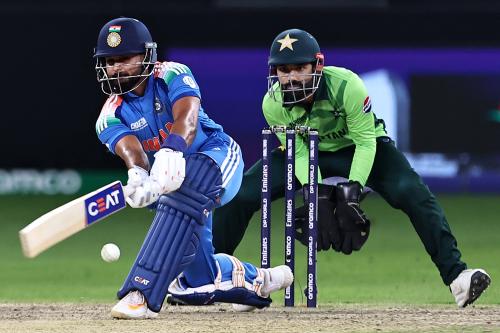
(Image from NPR, the copyright belongs to the original author)
Recognizing the importance of infrastructure to the development of cricket, the International Cricket Council (ICC) has been working with member countries to build world-class facilities. This includes upgrading existing stadiums and building new ones that meet international standards. Establishing cricket academies and training centers in emerging markets is also a key focus to cultivate local talent and promote cricket at the grassroots level.
The International Cricket Council (ICC) is also committed to promoting women's cricket. These initiatives include increasing investment in women's competitions, providing equal opportunities for female cricketers, and raising awareness through media coverage. The 2026 Women's T20 World Cup will be held in England, with the format expanded to 12 teams, and the final held at the iconic Lord's Cricket Ground. This move demonstrates the ICC's commitment to elevating women's cricket and providing a platform for female athletes to showcase their skills.
Cricket's Spread in the United States
Hosting the 2024 T20 World Cup
The 2024 International Cricket Council Men's T20 World Cup, held for the first time in the United States, marks a historic milestone. Co-hosted by the West Indies and USA Cricket, the tournament aims to bring cricket to American audiences. The United States' selection as host nation is a strategic move to capitalize on the country's vast sports market and enrich cricket's global reach.
Major League Cricket (MLC)
The establishment of Major League Cricket (MLC) in 2023 represents a significant investment in American cricket. The relocation of the league's headquarters to Grand Prairie, Texas, in 2025 underscores its long-term commitment to developing cricket in the region. The league's success is crucial to the International Cricket Council's (ICC) strategy to establish a strong cricket presence in North America, particularly with cricket's upcoming inclusion in the 2028 Olympic Games in Los Angeles.
Economic and Cultural Impact
The 2024 T20 World Cup had a significant economic impact, generating over $100 million in revenue for Texas, with a significant number of international visitors representing their first time to the state. The event also fostered cultural exchange, bringing together fans from diverse backgrounds to celebrate the sport. This cultural integration was crucial to the popularity and growth of cricket in the United States.
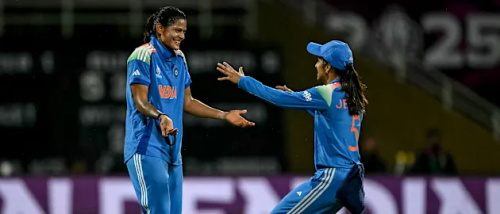
(Image from ICC, the copyright belongs to the original author)
Cricket's Growth in Europe and Asia
Cricket has seen impressive growth in Europe, with countries such as the Netherlands, Ireland, and Scotland consistently performing well in international competitions. Italy's qualification for the 2026 T20 World Cup marks a significant achievement for European cricket, reflecting the sport's growing popularity and development in the region.
Asian Markets Beyond the Subcontinent
The Indian subcontinent has long been a cricket powerhouse, but other Asian countries are also making strides. Countries such as Nepal, Oman, and the United Arab Emirates have all made significant strides, with both Oman and Nepal having qualified for the 2024 T20 World Cup. These countries are investing in infrastructure and grassroots development to foster sustainable cricket cultures.
Challenges and Opportunities
Balancing Tradition and Innovation
One of the challenges facing cricket is balancing its rich tradition with the demands of modern audiences. While T20 cricket offers innovation and excitement, the essence of longer formats like Tests and One-Day Internationals must be preserved. The International Cricket Council is developing strategies to ensure that all formats can coexist and thrive.
Inclusion and Representation
Ensuring that all regions and countries have the opportunity to participate in international cricket is a top priority. Expanding tournaments to include more teams is a step towards greater inclusivity. Furthermore, the ICC is committed to providing equal opportunities for players from all backgrounds and promoting diversity and representation in the sport.
Financial Sustainability
Cricket's financial model is evolving, with revenues from broadcasting rights, sponsorships, and merchandise increasing. However, there is a need to ensure that the financial benefits are equitably distributed among all member countries. The ICC is exploring revenue-sharing models to support the development of cricket in emerging markets.
The Road Ahead
Cricket will return to the Olympics in 2028, following a 128-year hiatus. The inclusion of T20 cricket in the Los Angeles Olympics presents a unique opportunity for the sport to be introduced to a global audience. The tournament, to be held at a purpose-built venue in Pomona, California, will feature six men's and six women's teams. The event is expected to significantly elevate cricket's profile and attract new fans worldwide. Cricket's inclusion in the Olympics is not a passing fad but part of a broader strategy to establish cricket as a mainstream sport in the United States and globally. The legacy of the 2028 Olympics is likely to include improved infrastructure, increased grassroots participation, and sustained media coverage, all of which will foster the sport's long-term growth.
Cricket's global resurgence demonstrates its adaptability and appeal. The expansion of T20 cricket, coupled with the strategic initiatives of the International Cricket Council, sets the stage for a new era in cricket's history. As the sport continues to grow and reach new audiences, its future on the world stage looks bright. Cricket's journey from traditional roots to global phenomenon highlights the power of sports to unite cultures, inspire communities, and create lasting legacies.
Reference:
https://www.icc-cricket.com/t20-world-cup-2024

How Mid-Season Breaks and Schedule Congestion Affect Player Well-Being?