




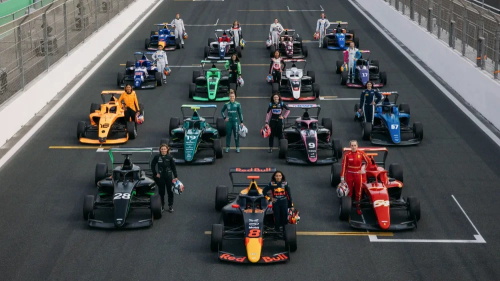
For a long time, motorsport has been male-dominated, with names like Dale Ennhart, Jeff Gordon, and Jimmy Johnson deeply etched into the roar of the NASCAR Cup series engines and the glory of the checkered flag. Today, however, we are witnessing a profound transformation. More and more women are entering the competitive world of motorsport—drivers, team members, and role models—and their presence is not only reshaping the field but also changing how the sport interacts with a new generation of fans.
Why Women's Participation in Motorsport Remains Uncommon?
Structural Barriers: Sponsorship, team support, and development opportunities have historically been more skewed towards men. Women often face greater difficulties in gaining entry into the sport.
Cultural Expectations and Biases: Many still perceive motorsport as a "men's sport," and female drivers may face additional scrutiny or skepticism.
Physical and Technical Requirements: While motorsport isn't solely about strength, the notion that "physical strength is required" can deter some, and the complexities of preparation, sponsorship development, and technical training are far from easy.
Limited talent pipelines: Fewer women enter the lower-tier and pre-race series (races leading to major motorsport titles), limiting the talent pool for top teams.
Given this, a woman's debut in a major motorsport series—especially NASCAR—is significant. It signifies a new path is opening and the sport is willing to expand its talent pool.
Why is this crucial now?
The stories above are compelling in themselves. But they also reflect the broader transformation taking place in motorsport—especially touring car racing: diversity is not just a buzzword, but a tangible necessity.
1. Brand, Sponsorship, and Audience Growth
The motorsport industry understands the importance of expanding its fan base. Women and minority groups represent an untapped market. When a female driver takes center stage, it demonstrates to potential sponsors that the sport appeals to a wider audience.
When sponsors see female drivers in a program, it creates new brand associations—empowerment, breaking down barriers, and reaching a modern audience. This appeal is economically vital.
2. Role Models and Grassroots Participation
When girls and young women see someone similar to themselves behind the wheel, they gain more confidence in their own abilities. As driver Legg said, women may possess "different" qualities, and these qualities are equally powerful in motorsport.
Programs like NASCAR's "Drive for Diversity" program help attract more women and minorities to the sport's ecosystem. The addition of drivers like Degan and Breddinger, and female team members like Brehanna Daniels—the first African American woman on a NASCAR Cup pit team—enriches this ecosystem.
The sport becomes more diverse and vibrant when more women are involved in its development system (karting → modified cars → ARCA → trucks/Xfinity → Cups).
3. Performance and Competition
It must be emphasized that the focus should be on results, not gender. Female drivers are proving their worth with speed and skill. Deegan and other female drivers have already achieved victories or top-ten finishes in various series.
Increasing the level of competition is highly beneficial to the sport. A wider talent pool means more competition, more compelling stories, and more intense races.
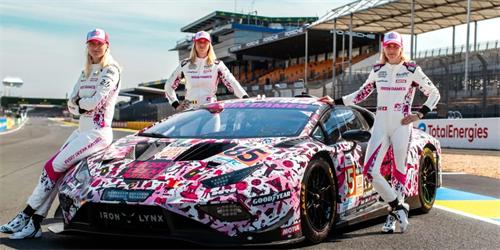
(Image from GGDF, the copyright belongs to the original author)
4. The Cultural Shift in Motorsport Identity
Motorsport is often viewed as a traditional sport, bound by patriarchal norms of a "male-dominated sport." But this perception is changing with the participation of women. Motorsport is increasingly projecting a more inclusive image.
This shift has ripple effects: how teams recruit, how sponsors market, and how young fans engage.
What does this mean for the future of motorsport?
By taking all these factors together—new drivers, structural changes, challenges—we can outline the direction motorsport is heading and why it's so important.
More Diversity = More Stories
Every driver has their own story. When women and minorities join in, the narrative expands: new contexts, perspectives, and connections with fans. This narrative power elevates the sport's appeal, transcending mere horsepower and pit stops.
A New Generation of Fans
Many sports struggle to attract young audiences. When young women see female drivers like Bladinger or Deegan, or drivers from other ethnic backgrounds, they feel noticed. This helps foster engagement, loyalty, and potentially expand the fanbase.
Technological and Strategic Advancements
Diversity is more than just a facade. When teams recruit drivers and staff from diverse backgrounds, they gain fresh perspectives—perhaps different race strategies, physical training, data analysis, or sponsor acquisition methods. All of these can make a team stronger.
Cultural Leadership
Motorsports is constantly evolving. If touring car racing proves that women can and truly compete at the highest level, it sends a message to all sports: talent is more important than tradition. The presence of women in touring car racing marks progress for the entire sport.
Business Innovation
Sponsors seek novelty and authenticity. Having female drivers and team members allows for more creative marketing campaigns, stories showcasing female empowerment, new product collaborations, and a fresh brand positioning—all adding commercial value to the sport.
Why the Wave Matters?
Some might ask, “Why does this matter? Isn’t motorsport just about driving fast cars?” The answer is yes—but it’s also about society, culture, and change.
Representation matters. When women and minorities see people like themselves succeeding in a traditionally male-dominated field, it breaks down psychological barriers. It tells them, “Yes, I can do it too.”
Normative shift. Motorsport is a microcosm of broader cultural change. By embracing female drivers, the sport also engages in a wider movement for gender equality, diversity, and inclusion.
Building sustainable growth. A sport that draws strength from a narrow talent pool stagnates. By expanding its talent base, motorsport can be revitalized—attracting new fans, new sponsors, and creating new stories.
Legacy and inspiration. The female drivers debuting today will inspire the next generation. They are pioneers for girls, girls who may have started karting at eight years old, dreaming of making a left turn at 200 mph.
We are now reporting on women entering the world of motorsports, which is no longer a novelty—it is gradually becoming an integral part of the sport's evolution. Drivers like Katherine Legg, Tony Bredinger, and Hayley Degan represent more than just personal ambition: they mark a new era for motorsports—one that opens doors not only to women, but also to diversity, innovation, and new audiences.
For the sport, this is not a minor episode, but an evolutionary process. For fans, it expands the sense of belonging. For future drivers, it sends a message of "this is your place." And for society, it echoes broader change: breaking down barriers, breaking down old boundaries, and moving forward together.
As driver Katherine Legg said, "The track doesn't discriminate by gender." This may seem simple, but it carries profound meaning. Because when the track is no longer gender-discriminatory, the sport will become better. And when the sport becomes better, we will all benefit.
References:
https://ggdf.org/women-in-motorsports-breaking-barriers-on-the-track/
https://hypebae.com/2025/6/women-female-racing-drivers-samantha-tan-toni-breidinger-gen-z
https://www.financialexpress.com/auto/motor-sports/the-role-of-women-in-motorsports/3141027/

How Mid-Season Breaks and Schedule Congestion Affect Player Well-Being?