




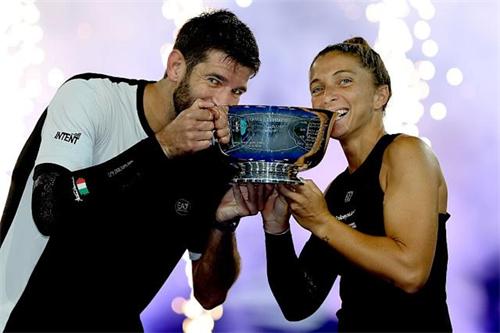
Mixed doubles—where a male and female player team up against another mixed-gender pair—is nothing new. However, in recent seasons, the sport has begun to regain its vitality, carving out a place for itself in tennis, a sport long dominated by singles. Three key factors have driven this resurgence:
Format Innovation and Scheduling
Major tournaments are redesigning mixed doubles competitions to be shorter, faster-paced, and more pleasing to both spectators and players. For example, at the 2025 US Open, the number of participating teams in mixed doubles has been reduced to 16, and match times have been shortened (four games per set, with a tiebreak at 4-4, and the deciding set being a 10-point tiebreak instead of a full third set). Furthermore, the matches are scheduled during "Fan Week" before the singles main draw. These changes reduce time pressure on players, increase home court opportunities, and enhance the tournament's exposure.
Star Power, Commercial Appeal, and Media Friendlyness
The attention surrounding mixed doubles immediately surged when top singles players began appearing in the competition. Reports indicate that tens of thousands of fans packed the main stadium for the 2025 US Open mixed doubles final – approximately 78,000 attended over two days. The addition of star players, coupled with shorter, faster-paced matches, makes mixed doubles more suitable for television broadcasting, social media promotion, and attracting sponsors. As one player stated, “Mixed doubles has always been a huge challenge… I’m really looking forward to the opportunity to compete for a Grand Slam title in the future.1
Benefits of an Expanding Sports Ecosystem
The resurgence of mixed doubles also addresses a systemic need in tennis. For a long time, doubles (including mixed doubles) has received far less attention than singles. By elevating the status of mixed doubles, the event will add a highly attractive category, providing players with more opportunities, exposure, and rewards. These changes align with the sport’s need for gender balance, cater to modern audiences’ viewing habits (shorter matches, mixed gender), and help attract younger or casual viewers who might miss lengthy singles matches.
The Evolution of Format
This isn't just a superficial adjustment. The evolution of mixed doubles is structural and evident. Shorter, faster-paced matches: Matches now typically begin in best-of-four sets, occasionally featuring points where the team is out of the game, and tiebreakers have replaced full third sets.
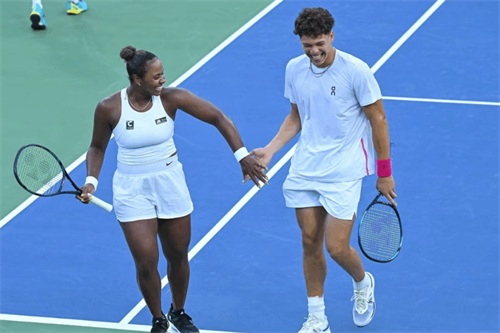
Schedule Adjustment: Previously, mixed doubles was scheduled for the latter part of Grand Slam tournaments, often overshadowed by singles events. The US Open has moved it to the week before the singles main draw.
Changes in Qualification and Draw Structure: Qualification now emphasizes singles rankings and wildcards, rather than simply doubles rankings or long-standing mixed professional partnerships.
Increased Prize Money: The mixed doubles champion will receive $1 million at the 2025 US Open, a significant increase from previous years.
These measures collectively make mixed doubles more accessible to established players, easier to manage in terms of time commitment, and more compelling as a standalone event rather than a secondary one.
What This Means for Players, Fans, and the Sport?
Players
For players, mixed doubles presents entirely new challenges and potential rewards. Singles stars gain another stage; doubles specialists regain attention. However, there is also some tension: some players focused on doubles feel that these changes are altering their domain and even diminishing their status.
Fans
For spectators, mixed doubles matches are now novel, dramatic, and entertaining. Matches are shorter and easier to understand; the mixed format increases diversity; and the participation of star players enhances the sport's appeal.
Sports and Event Ecosystem
The revival of mixed doubles is significant for professional tennis. It helps revitalize the doubles program, bringing new content to tourism, sponsorship, and broadcasting, and aligning the sport with modern expectations for diversity and innovative formats. If mixed doubles can maintain its importance, it will enrich the essence of tennis.
Mixed Doubles Means Much More Than Just Scores
The revival of mixed doubles is not just about prize money or new rules—it represents a broader cultural and sporting transformation. This format, blending gender equality, entertainment innovation, and career extension for players, makes it far more than just another event on the tennis schedule.
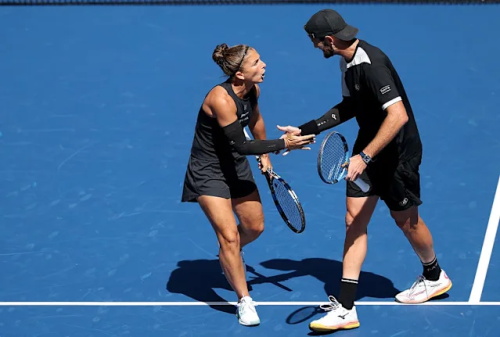
(Image from Yahoo Sports, the copyright belongs to the original author)
1. True Gender Integration in Sports
The unique aspect of mixed doubles is that it places male and female players on the same team, playing side-by-side rather than individually. This demonstrates that teamwork and exceptional athletic ability transcend gender boundaries. For younger sports fans, it's a vivid example of how cooperation, rather than separation, is the true essence of high-level sports. This format sends a strong social message: gender balance and respect can coexist with fierce competition.
2. Innovation and Modernization
Mixed doubles is increasingly becoming a testing ground for innovative ideas in tennis. Shorter sets, faster point spreads, and prime-time scheduling make it ideal for today's audiences. This modernization helps tennis adapt to evolving viewing habits, proving that the sport can innovate while maintaining its core values.
3. Opening New Paths for Players
For many athletes, especially doubles specialists or those past their singles prime, mixed doubles offers a second spring in their careers. This format demands less physical fitness but remains highly competitive and attracts significant attention. Star-studded pairings can draw media attention, inject new energy into players' careers, and provide them with a new platform to interact with fans.
4. A Wider Fanbase
Mixed doubles brings unpredictable matchups and distinctly different styles—power and skill, baseline control and net play. These dynamic elements make the matches exciting and highly entertaining. The fast-paced gameplay and mixed-gender storylines also make it ideal material for highlight reels and social media sharing, helping tennis attract new audiences beyond traditional fans.
5. Commercial and Community Impact
Tourism organizers and sponsors embrace mixed doubles because of its inclusivity and entertainment value. Mixed doubles fills gaps in the tournament schedule, attracts a diverse audience, and embodies the spirit of unity championed by modern sports marketing. At the same time, the format's accessibility encourages participation from grassroots players and helps fans realize that tennis is not just about scoring, but also about teamwork and communication.
Mixed doubles is no longer just an "add-on" to major tournaments. Through innovative formats, increased prize money, strategic scheduling, and the participation of more renowned players, it is experiencing a resurgence. More importantly, this vitality is manifesting itself in a significant way: for players seeking new challenges, for fans craving fresh experiences, and for tennis itself—it is moving towards greater inclusivity and dynamism. If this trend continues, mixed doubles could very well move from the fringes of major tournaments to the true spotlight—and tennis will undoubtedly benefit greatly.
Source:
1: https://www.tennismajors.com/us-open-news/doesnt-all-need-to-be-about-money-fritz-welcomes-us-opens-new-mixed-doubles-format-808503.html
Reference:
https://www.lemonde.fr/sport/article/2025/08/19/l-us-open-associe-les-stars-du-tennis-pour-raviver-l-interet-du-double-mixte-mais-indigne-les-specialistes_6631908_3242.html

How Mid-Season Breaks and Schedule Congestion Affect Player Well-Being?